

As Sampson County commissioners continue reviewing the proposed 2026-27 budget, county leaders say the spending plan reflects months of compromise aimed at balancing employee retention, economic development and fiscal responsibility while preparing for potential financial impacts from state and federal decisions.
The proposed budget contains no general county property tax increase and fully funds the Sampson County Public Education Funding Formula, while also providing county employees with a percent cost-of-living adjustment and a one-time bonus.
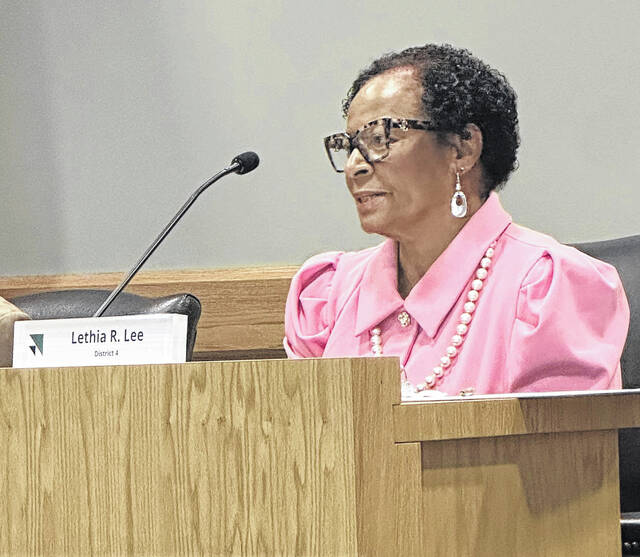
Dist. 4 County Commissioner Lethia Lee said the budget presented last Monday reflects significant give-and-take among commissioners and county staff.
“We agree on some things and some things we don’t,” Lee said in an interview. “You’re not always going to agree on everything. But for the most part, I think there was a lot of compromise made on everybody’s part.”
The proposed budget includes a 3 percent COLA for county employees, a move County Manager Allen Vann argued is necessary to remain competitive with neighboring counties that often offer higher salaries and larger annual raises.
In addition to the COLA, full-time employees would receive a one-time $500 bonus, while regularly scheduled part-time employees would receive $250 and other eligible part-time employees would receive $100.
The budget also includes two additional paid holidays — July 6 and Nov. 25 — along with a second floating holiday that employees can use at their discretion.
According to county figures, the 3 percent COLA carries a total cost of approximately $1.22 million, with just over $1 million coming from the county’s general fund. The employee bonus program would cost approximately $260,675.
Lee acknowledged the challenges county leaders face in trying to retain workers while operating with fewer financial resources than many surrounding counties.
“We can’t compete with other counties,” Lee remarked. “We don’t have the fluctuating income that they have. The only income we have comes from farmers and our property taxes. Other counties have industries and businesses that generate revenue that we don’t have.”
Still, Lee said she hopes county employees weigh the entire compensation package before leaving for higher-paying positions elsewhere.
“If you go to another county that’s larger than we are and has a whole lot more people, you’re going to have more work to do,” she said. “You get the money, but you’ve got to work for it too.”
The proposed budget also includes several revenue and cost-saving measures.
One change would reduce the county’s early property tax payment discount from 2 percent to 1 percent, a move projected to generate an additional $210,000 in annual revenue.
Lee said commissioners originally discussed eliminating the discount entirely, but she advocated for taxpayers to continue receiving some incentive for paying early.
“When it was first brought out to us, it was nothing,” Lee explained. “I made the comment that I didn’t think that was right. I thought people should get something.”
She added that discussions surrounding the discount may continue before the budget is finalized.
County officials project total property tax revenue of approximately $50.4 million and estimate the county’s tax base has grown by $209 million over the past year, increasing to roughly $7.43 billion in total value.
The budget also includes a major economic development investment. Commissioners are considering a $5 million financing package to construct a 70,000-square-foot speculative industrial shell building at the Sampson Southeast Business Center in Clinton. The proposal includes a first-year debt service payment of approximately $772,500.
County officials believe the project could help attract new industry and expand the county’s long-term tax base.
Other notable budget highlights include a contingency fund increase from $100,000 to $175,000 to address uncertainty in fuel costs and other potential expenses, as well as continued implementation of the county’s 10-year capital improvement plan.
The proposed general fund budget totals $84.9 million, a 2.6 percent increase over the current fiscal year.
Despite the progress made during budget discussions, Lee said significant uncertainty remains regarding potential state and federal mandates that could affect county finances.
“We don’t know what the state is going to put on us,” Lee said. “That’s going to have a bearing on everything that we’ve done so far because we may have to go back and look at it again.”
Lee specifically pointed to concerns that counties could eventually be required to absorb additional costs related to social services and healthcare programs.
For that reason, she said commissioners must remain cautious even while trying to address employee needs and maintain county services.
“We don’t have a whole lot of money that we can be spending,” Lee said. “I don’t think we’re spending anything in a wasteful amount, but we just don’t have a whole lot of money to give to anybody.”
Lee echoed sentiments expressed Monday by Commissioner Houston “Chip” Crumpler III regarding the need for fiscal discipline while supporting county employees.
“I feel similar,” she said. “We have to be careful.”
As the budget process moves toward a public hearing scheduled for June 15, Lee encouraged residents to provide feedback.
“If they’re not satisfied, I’m hoping they will speak up,” she said. “That’s the only way we’re going to know if we’re doing things right or wrong.”
Lee said her ultimate goal remains ensuring county government works for all residents.
“I want it to work for everybody. Not just some of the people. That’s what I’m here for.”