
A local rule change made by the state Board of Elections could impact local citizens regarding voter photo ID requirements.
Last Thursday, the board majority voted in favor of approving new rules that could allow local county elections boards to reject excuses for not having a required photo ID. As it currently stood under state law, any voter who arrived at a poll without a photo ID was still able to cast a ballot if they completed a photo ID exemption form. From there, that exemption on whether the ballot would be counted required a unanimous decision from all members of the local board to reject the ballot.
After the change at the state level, it now only requires a majority vote.
The Republican-controlled state Board of Elections said the change was made to help ensure election integrity.
Critics of the rule believe that the changes would have an opposite effect than what Republicans say was intended. There is a concern that allowing the majority vote of local boards, which are Republican controlled this year — each made up of two Republicans and one Democrat — to decide which ballots are to be tossed out could lead to an increase in political elections meddling.
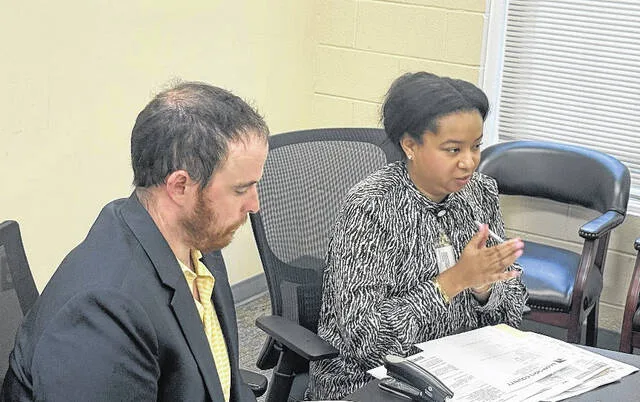
As many local boards across the state try to adjust to these new rules, Sampson’s elections director said she felt confident that board members would judge all affidavits for Voter ID exceptions based on the factual information given to them.
“For our local county, the board will go through with the affidavits like they have been doing,” explained Niya Raynor, elections director for Sampson. “I do not see an issue with it for our board. They’ve always made their votes (to allow ballots) based on factual information.
“For our process, we have to make sure that the form is completed, the voter’s name, and the voter’s signature. If they put a check for a disability or a lack of photocopy, they can put their driver’s license or social document into the system to validate it. We also make sure that they sign the affidavit, because they have to have a signature. That’s the research that we do for the affidavits, and then we send it up to the state board.”
If an affidavit ballot is rejected, the county board reaches out to the voter who submitted it, explaining the reason for the rejection. At that point, the rejected voter would have to resubmit, and often fix, the problem that caused the rejection and cast a new ballot. This usually takes place during the local canvass held after every election.
The rule change regarding voter ballots wasn’t the only change made by the state. On Monday, in a 3-2 vote, state board officials approved new permanent changes regarding absentee voting. Some of the changes included that absentee ballots must be sealed completely, or else the ballot is considered spoiled. This also applies if the county boards find any voter ballot that is unsealed more than three days before an election. If they find it within those three days, election officials must contact the voter and tell them to vote in person.