
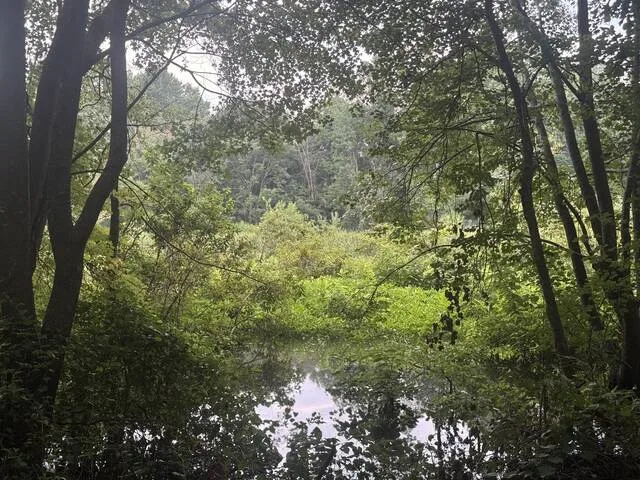
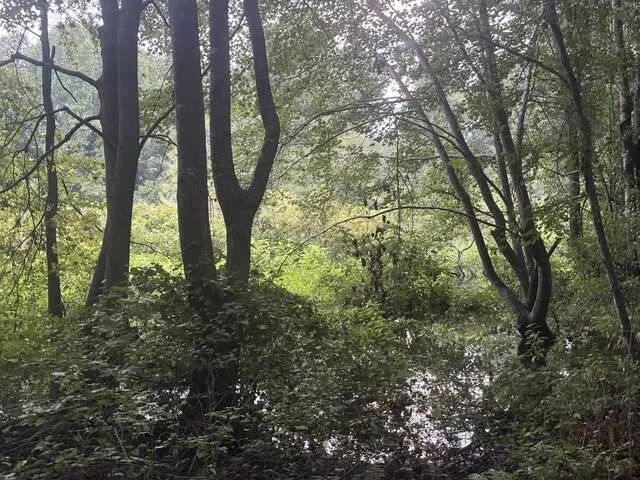
The Coharie River’s water levels have dropped in recent weeks because of a lack of rainfall, forcing a temporary pause in Coharie kayak tours along that body of water.
While the tours are on hold, Greg Jacobs, tribal administrator for the Coharie Tribe, reflected Monday on the river’s history, its restoration and why it remains so important to both the tribe and the community.
Many years ago, Jacobs said, the river was in extremely poor condition.
“In our words, it became sick, and nobody was attending to it,” he said. “I think climate change, with the severe storms coming back to back, actually crisscrossed the river, and you couldn’t navigate it. When all of the trees and stuff went down into the river, along with invasive plants, it created sand beds. It almost took out the depression in places where the water was channeling because there was not a basin for it to channel into, and no one was doing anything about it.”
Jacobs said Friends of Sampson County Waterways worked to keep the waterways open, but the task proved larger than the organization could handle alone.
“Some of our traditional waters back during segregation that we visited often for social events — school socials, baptisms, that kind of thing — you could no longer get to them,” Jacobs said. “The storms, the debris and a massive population of beavers had stopped the river up. It was no longer flowing; it was no longer healthy.
“You didn’t see people fishing and swimming as you used to when I was a child. The river was my recreational center when I was a child.”
The idea for the Coharie River Initiative began after Jacobs became tribal administrator for a second time, and one of the tribe’s elders asked what he planned to do about the river.
That conversation, he said, changed his perspective.
“It stimulated my thinking that we didn’t pay the river the attention that we used to when we had to eat the fish out of there,” Jacobs said. “When my ancestors were running for their lives and came upon the Coharie River, they found it a good place to raise their families, to get food out of the river, to hunt around the river. I think my ancestors understood that it was good medicine and a good place, and that they would be safe here.
“We stopped running from the European diseases, colonial conflict and intertribal conflict, and we said, ‘We’re safe here,’ or the river said to us, ‘You’ll be safe here.’”
Jacobs said the elder shared memories of enjoying the river as a child, reminding him of his own childhood experiences there. Although restoring the river seemed like an enormous undertaking, he said doing nothing was never an option.
The Coharie Tribe began organizing volunteers who gathered on Saturday mornings to clear debris from the river.
“I remembered the stories of my dad, who died when he was 102 years old,” Jacobs said. “He said, ‘Son, if you stick your head down and do the best you can with what you’ve got, God will send the rest.’”
Jacobs recalled telling his friend Phillip Bell they should do whatever they could to make the river valuable again for the citizens of Sampson County, despite not having the money to do the work.
“‘Now, we don’t have the money, but if we try, what we need to clean that river will come,’” Jacobs remembered saying.
“To my surprise,” he added with a laugh, “it was almost like an out-of-body experience when I told him that.”
A few months later, the U.S. Department of Agriculture launched its Debris Removal Program.Through that program, along with support from Sampson County government officials and Henry Faison, the tribe secured funding to begin restoring the river.
“We cleaned out over 150 miles of river in Sampson County, and we’re continuing to do that today,” Jacobs said.
Even with the restoration work, Mother Nature still determines when tours can take place.
This past Saturday’s kayak event, dubbed the Paddle Through History tour, was canceled because of low water levels. Jacobs said someone was checking conditions Monday morning following the weekend’s rainfall to determine whether the river had risen enough for tours to resume. The tours typically operate from March through November.
Cullen Bell, Phillip Bell’s cousin, now leads the kayak tours.
Jacobs described Phillip Bell as the “Coharie River legend.”
“He has always cared about the river, and he’s always understood that the river was sick, but didn’t have much support to help him,” Jacobs said. “When the rest of us saw the river through Phillip’s eyes, we took action, and many volunteers from the community came out with no pay — in the mud, in the mosquitoes, in the heat — trying to clean that river out. Then God sent us enough funds that we could hire subcontractors that already had equipment and experience, and we’ve been able to do a tremendous job in Sampson County.”
Jacobs said the work is far from over.
“We pass the stories to future generations, and we hope that they’re going to see the river in the same light … and continue our work.”
Beyond preserving the river itself, Jacobs believes it also provides healing for those who spend time along its banks.
The solitude of nature and stepping away from the pressures of everyday life, he said, can be especially beneficial for mental health. Jacobs noted that many military veterans visit the river seeking peace and a place to lay down their burdens.
“As we’ve helped the river, I don’t know if we helped the river more than the river’s helped us or not,” Jacobs said. “I’ve seen men’s lives change. … It’s just been a beautiful adventure down in the Coharie River. It’s a small river, but a very powerful river.”